Who is Allowed to Operate an Excavator?
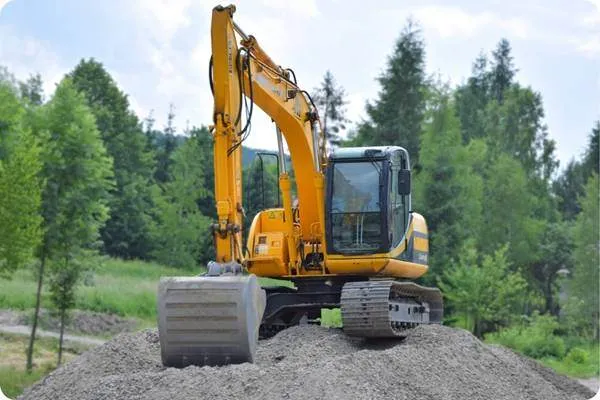
Excavators are classified as self-propelled work machines that, under road traffic regulations (StVO), generally do not require a special excavator license. In particular, tracked excavators often have a maximum speed of less than 6 km/h, meaning they don't need an operating license on public roads. Many mini excavators also fall into this category and are rarely used on public roads due to their low speed. Mobile excavators and wheeled excavators, on the other hand, are designed for public traffic and often travel faster. Here, the required license class depends on the machine's maximum speed and weight. For a detailed overview of different license classes and their validity in road traffic, read our article on whether you're allowed to operate construction equipment on roads .
License Requirements for Excavators
License class requirements for excavators are based on their maximum speed:
- Up to 20 km/h: Class L license (formerly Class 5), which is included in Class B.
- Over 20 km/h: Excavators must be registered for road traffic. For machines up to 25 km/h, Class L is sufficient. At higher speeds, Class B is required for excavators up to 3.5 tons.
- Over 3.5 tons up to 7.5 tons: Class C1 license (formerly Class 3) is required.
- Over 7.5 tons: Class C (formerly Class 2) is required.
It's important to note that for Class C, a regular eye examination is mandatory from age 50 onwards. Solid training and instruction are also essential to ensure safety.
Operating an Excavator on Private Property: Do You Need a License?
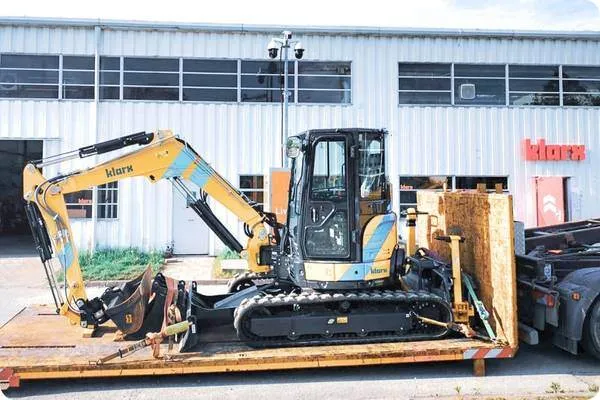
For operating excavators on private property, no official operating license is generally required. However, rental companies often demand a proof of competence, especially for larger machines like an 18-ton excavator. Smaller and lighter equipment, such as mini excavators, can be rented and operated without issues. Need a mini excavator for your next construction project? You can easily rent one from klarx online.
License for Commercial Excavator Use
For commercial use of excavators, stricter regulations apply. While there is no officially mandated excavator license, many employers require a so-called operator's certificate for earthmoving equipment. This certificate, recognized by employers' liability insurance associations, qualifies the holder as an excavator operator and is often part of company safety regulations. The certificate can be obtained through specialized training courses, which are often subsidized by the German Federal Employment Agency.
How Long Does an Excavator License Take?
The duration of an excavator license depends on where and how comprehensively the training is conducted. For beginners, TÜV, for example, offers seminars lasting about 10 days. These courses are comprehensive and cover both theoretical and practical aspects of excavator operation. For individuals with prior knowledge, shorter courses are available, typically lasting two to three days, and focus on refreshing existing knowledge. It's important to tailor the course duration to your individual needs and professional requirements.
How Much Does an Excavator License Cost?
Costs for an excavator license vary depending on the provider, course duration, and level of prior knowledge. A comprehensive beginner course, such as those offered by TÜV, typically costs between 800 and 1,900 euros. For individuals with prior knowledge taking shorter refresher courses, excavator license costs may be lower. This investment can be supported through various funding programs, such as those from the German Federal Employment Agency, if the license serves professional qualification purposes.
Excavator License: How to Operate a Mini Excavator
To get a first impression of how to control a mini excavator, we've created a video on how to operate a mini excavator for you.
Will the Excavator License Soon Be Legally Required?
Currently, there is no legal requirement for a special excavator license in Germany. However, persons operating excavators and other earthmoving equipment must be appropriately authorized and trained by their employer. These requirements are specified in the following regulations of the German Social Accident Insurance (DGUV):
- DGUV Regulation 1
- DGUV Rule 100–500
These regulations require that only suitable and trained persons be assigned to operate such machines.
Conclusion
Whether you need an excavator license depends on the type of use and the machine. For private use on your own property, a license is generally not required, while for commercial use, an operator's certificate is recommended. Looking to rent construction equipment for your project? At klarx, you'll find the right machines and can get comprehensive advice.


